
See how live job problems are brought under commercial control.
Representative examples of variation records, NEC events and final accounts being organised into a position subcontractors and main contractors can follow.
Names and sensitive figures are omitted. These examples show the type of work supported; they are not testimonials or guaranteed outcomes.
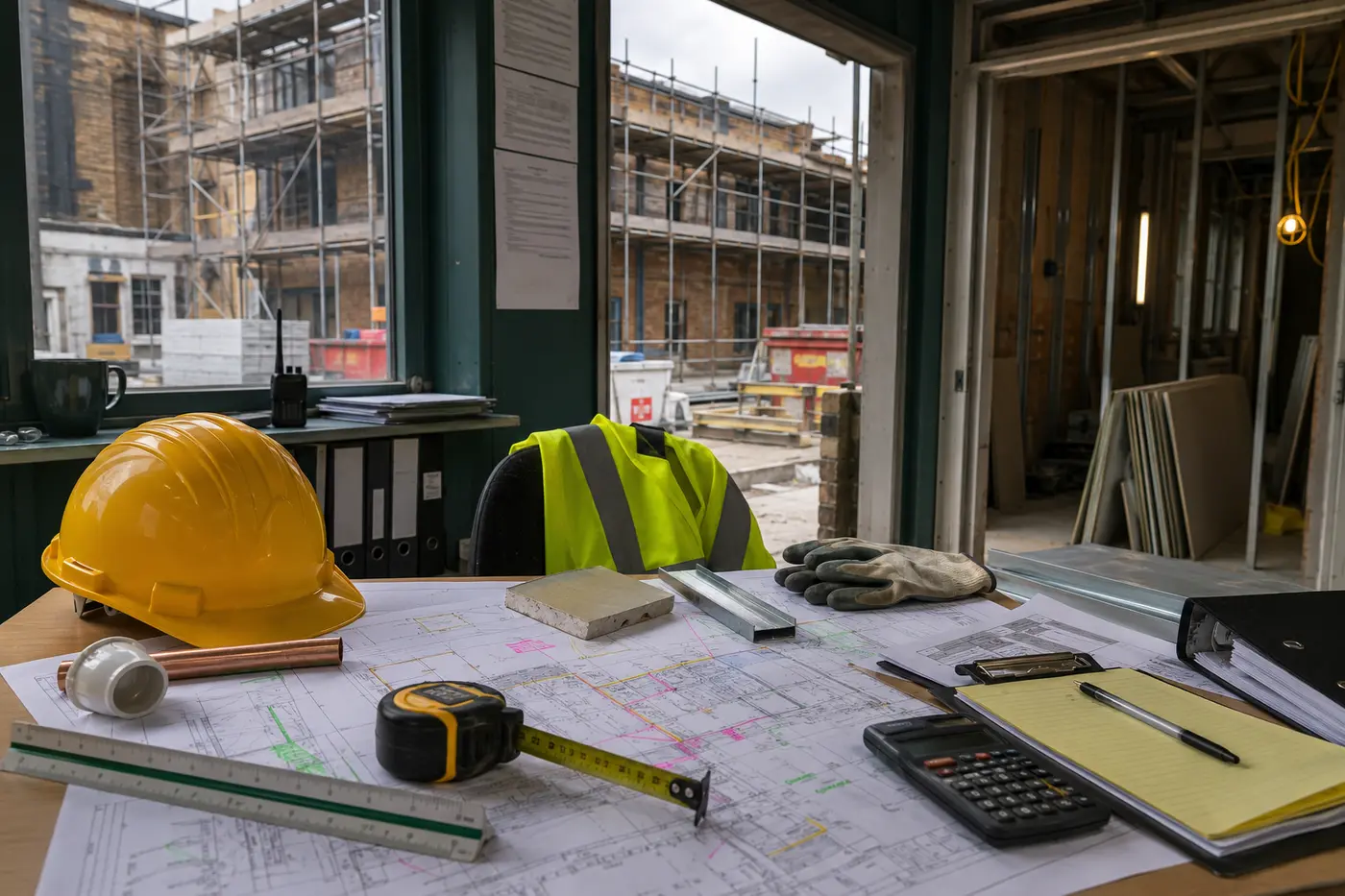
Live variations were spread across emails, drawings and site conversations.
The business had completed changed work, but there was no single schedule connecting instruction, scope, evidence, price and assessment. Management could not see which items were strong, which needed records and which had not been submitted.
Our intervention
- Reconciled instructions and correspondence
- Created a controlled variation register
- Separated notified, priced, assessed and disputed status
- Identified evidence gaps and clear actions
- Structured priority valuation submissions
The team gained one reliable view of its change position and a prioritised route into assessment and final-account discussions.
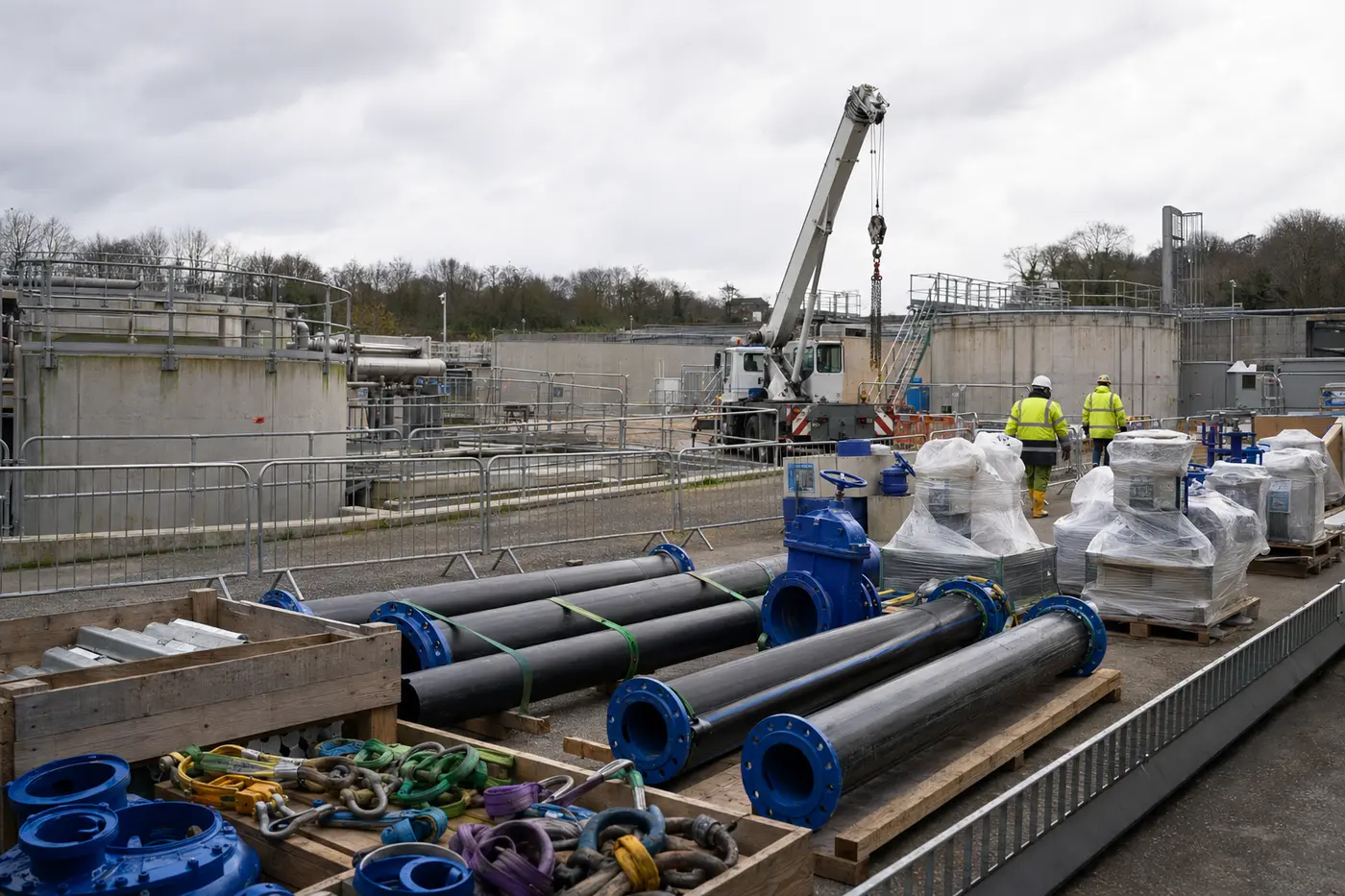
A changed sequence created storage, transport and lifting consequences.
Several events had overlapping facts and cost effects. The task was to distinguish each event, connect it to the subcontract procedure and show how the revised sequence changed the planned method and cost.
Our intervention
- Built a dated event chronology
- Mapped early warnings and compensation events
- Separated storage, additional movement and lifting effects
- Reconciled quotations and source records
- Prepared cause-and-effect narratives for review
The account moved from a collection of costs to defined events with a clearer contractual and evidential basis.

The final account mixed agreed work, unresolved change and unsupported deductions.
Applications, certificates and contra-charge records had developed separately. Both sides were discussing different totals, making meetings repetitive and settlement authority difficult to set.
Our intervention
- Reconciled order value, applications, certificates and cash
- Prepared an item-by-item difference schedule
- Separated agreed, negotiable and evidence-dependent items
- Reviewed the contractual route for deductions
- Created a negotiation pack and decision log
Management could focus on the material differences and enter negotiation with a coherent account.
Better records create better commercial decisions.
Every workload is different, but visibility, priority and ownership consistently improve.
One current position instead of conflicting versions.
Effort focused on value, deadline and evidential strength.
Every missing record and action has a responsible person.
Management understands the real range of risk.